Hero Image: Valongo Wharf

Magazine Feature

Children of Blood and Bone

Story, Memory, and the Journey Back to Ourselves

By Adeyinka Oduniyi

Feature Essay 12 Min Read
Get Magazine
Editor's Note

There are stories that entertain, and there are stories that awaken. Children of Blood and Bone belongs to the latter category—not because it is a literal retelling of Yoruba cosmology, but because it reconnects global audiences to the force, beauty, and narrative power of African spiritual imagination.

For me, this is not simply a question of adaptation. It is personal. It is historical. It is diasporic. It is about what survives when memory is scattered, and what returns when people begin to see themselves again.

Adeyinka Oduniyi

A Story Inspired, Not Bound

At its core, Children of Blood and Bone by Tomi Adeyemi is a work of imagination. It is not a strict retelling of Yoruba history, nor is it a direct translation of sacred tradition onto page or screen. It is something more fluid and expansive: a reawakening of Yoruba spiritual essence through fantasy.

The story draws from the Orishas, from ancestral memory, and from the unseen threads that bind the spiritual and physical worlds together. Yet it reshapes those forces into something new—a mythology reimagined in the world of Orïsha.

That distinction matters.

Yoruba cosmology has never been static. It has travelled across time and across oceans, carried in ritual, memory, resistance, and renewal. From Ilé-Ifẹ̀ to Salvador, from Lagos to Havana, from Oyo to Port-au-Prince, its forms have shifted, but its pulse has remained.

In that sense, Children of Blood and Bone does not sit outside tradition. It belongs to a continuum of transformation.
Yoruba cosmology has never been static. It has travelled—carried in ritual, memory, resistance, and renewal.

Brazil and the Mirror of Memory

My understanding of this did not come from theory. It came through lived experience.

I travelled to Rio de Janeiro to represent the Ooni of Ife, expecting in many ways to be in the position of explaining culture. Instead, I found myself learning something deeper about it.

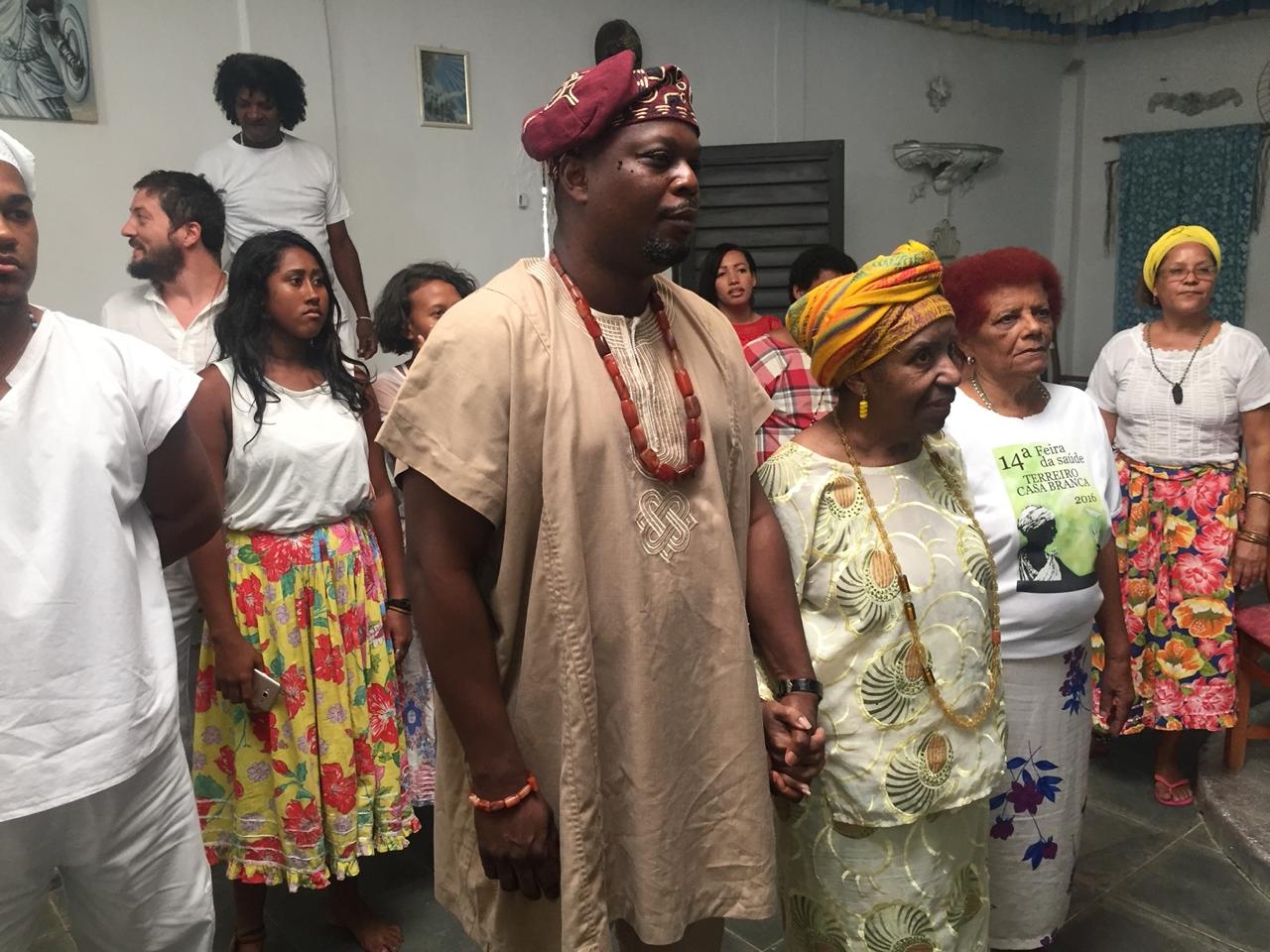
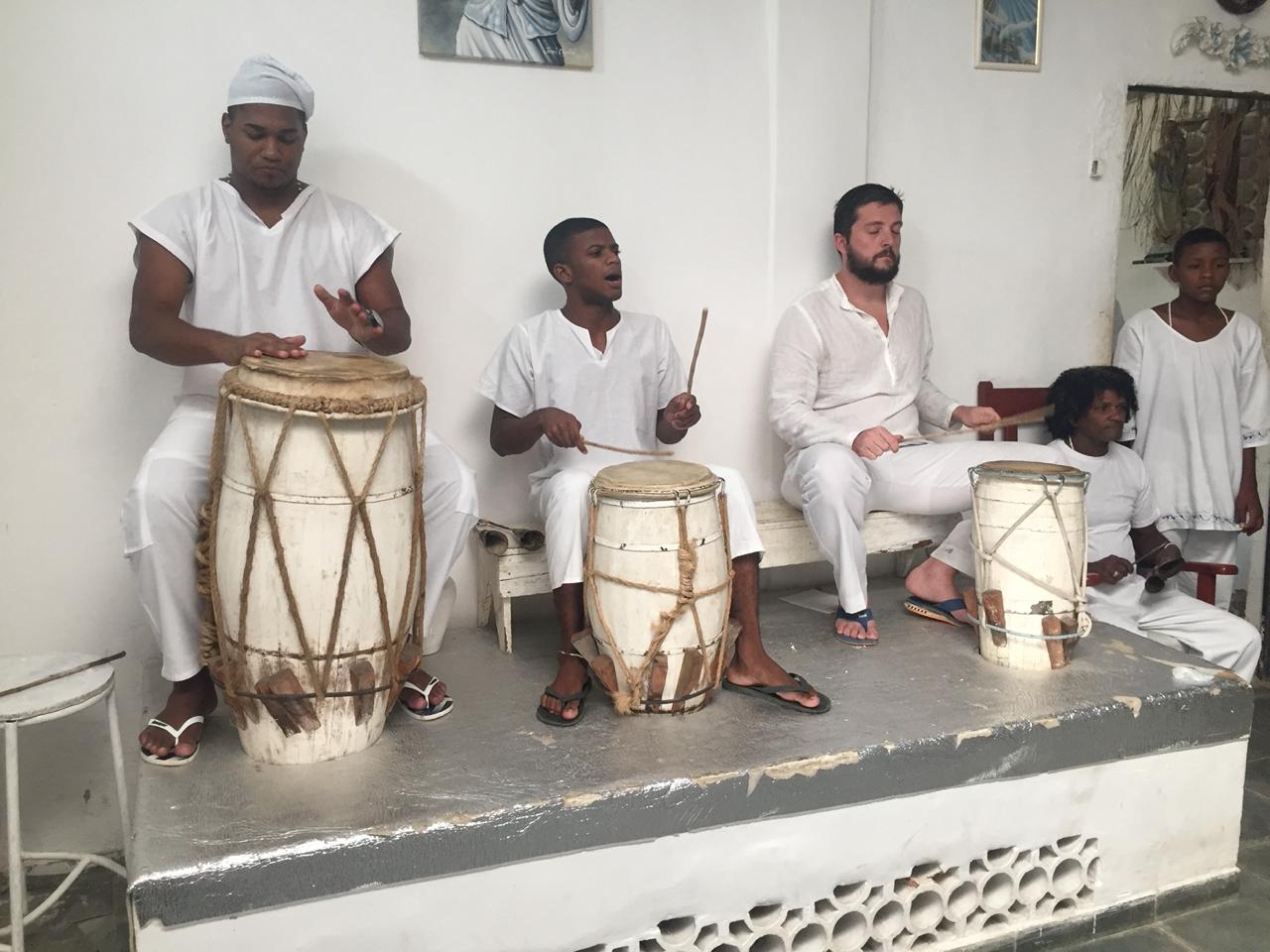
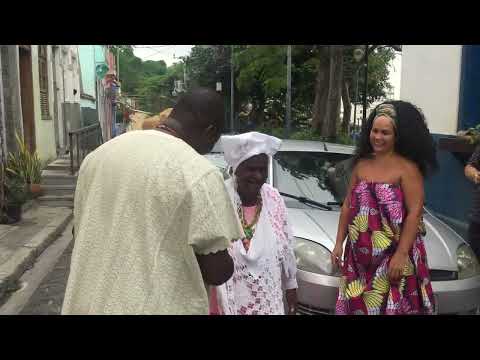
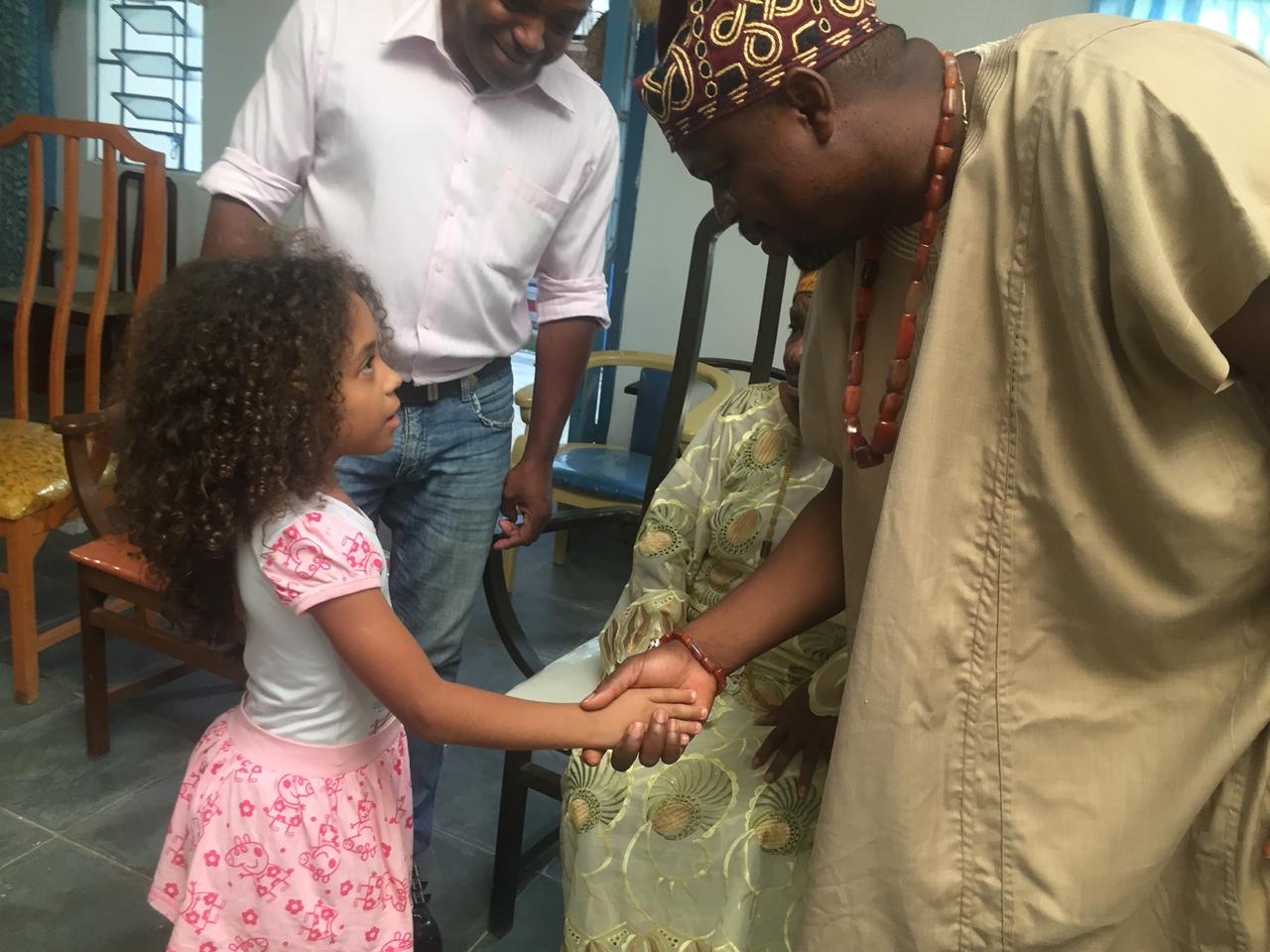
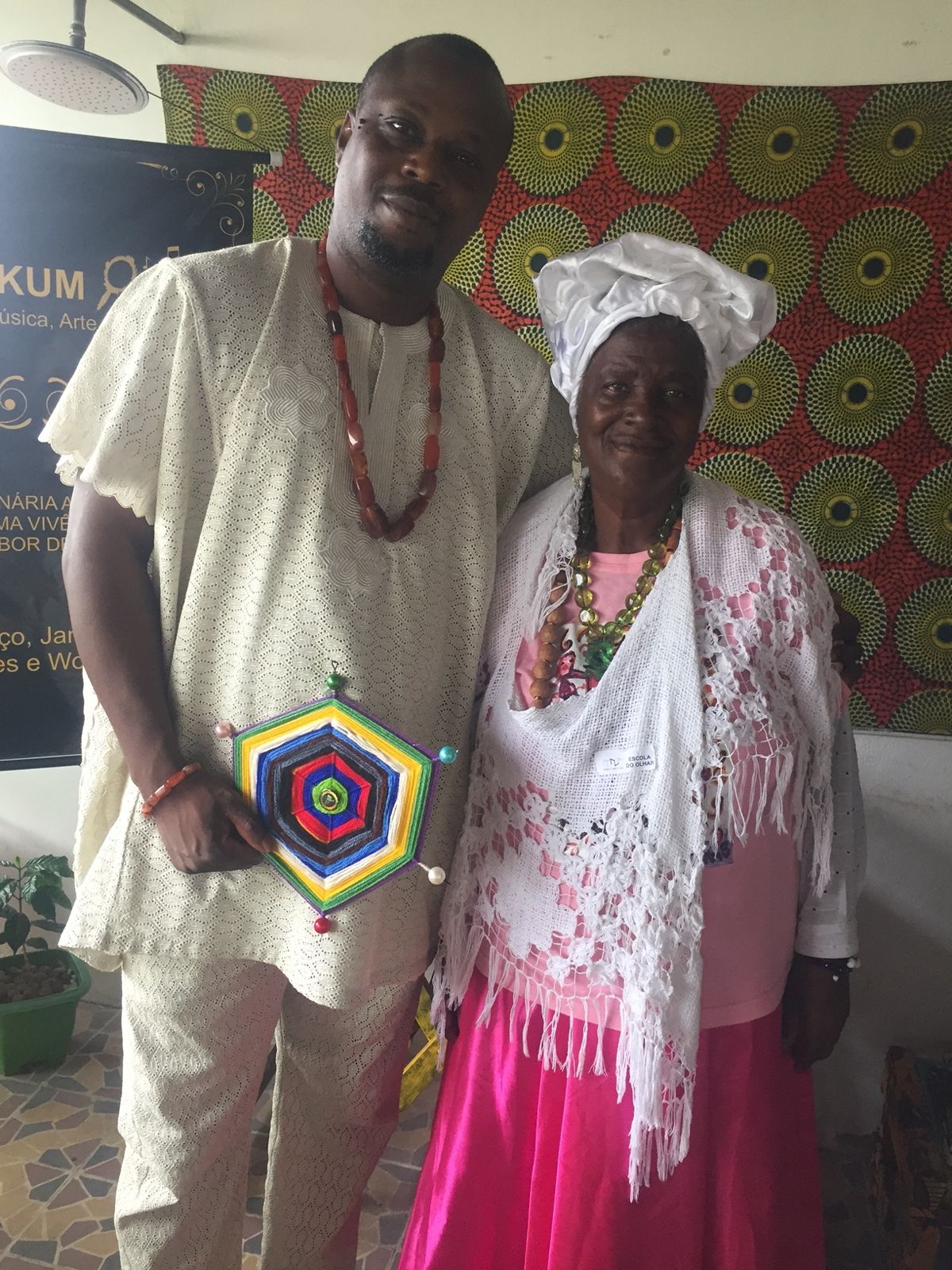
I was hosted at parliament and visited several Ilé Àṣẹ—sacred houses where Yoruba spirituality is not merely remembered, but actively preserved and practiced with reverence. What I encountered there was both moving and confronting.

In many ways, Yoruba spirituality was being protected more fiercely in Brazil than it often is at home.

That realization carried weight.

In Nigeria, colonial history and Western religious influence have, over generations, conditioned many to see indigenous spiritual traditions as archaic, shameful, or something to be hidden. But in Brazil, I witnessed the opposite. There, Yoruba-derived traditions were not hidden in embarrassment. They were preserved with devotion.

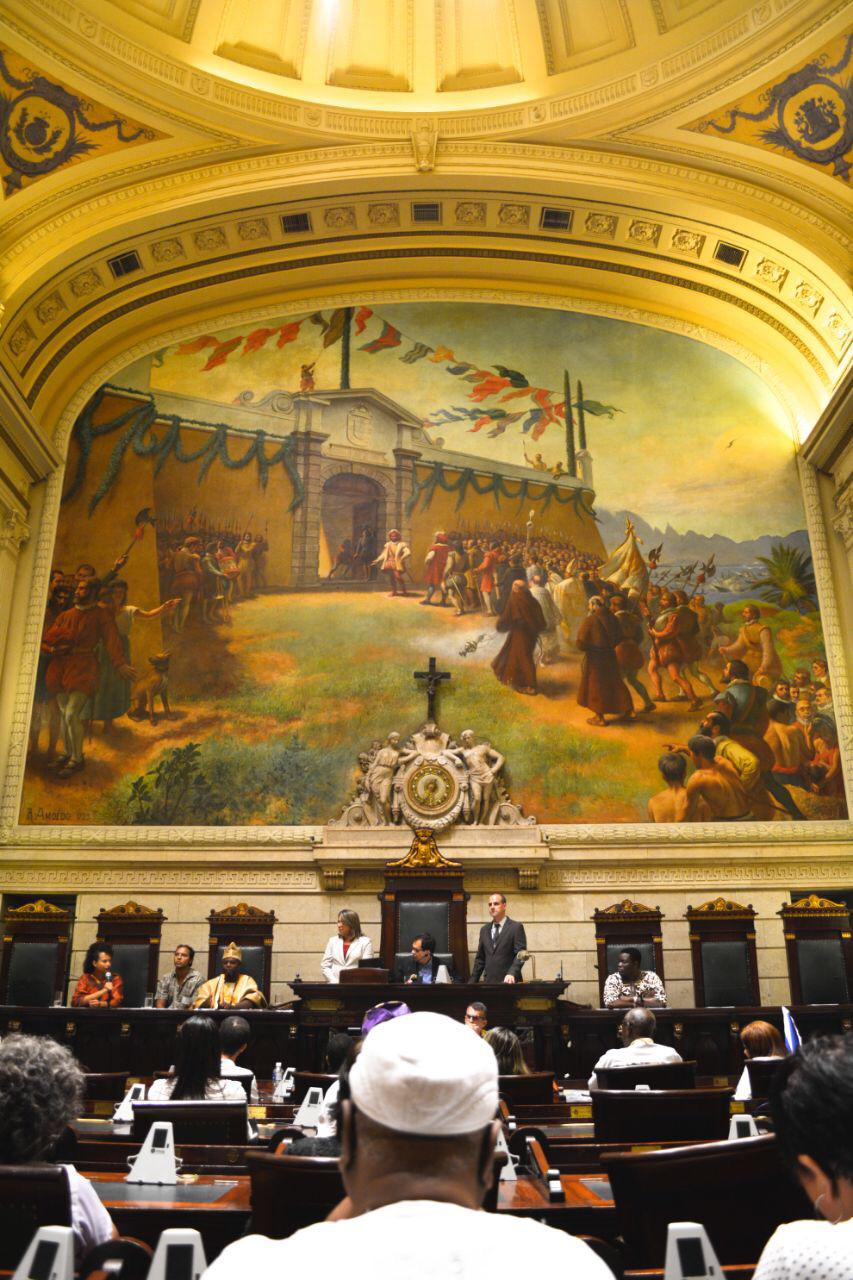
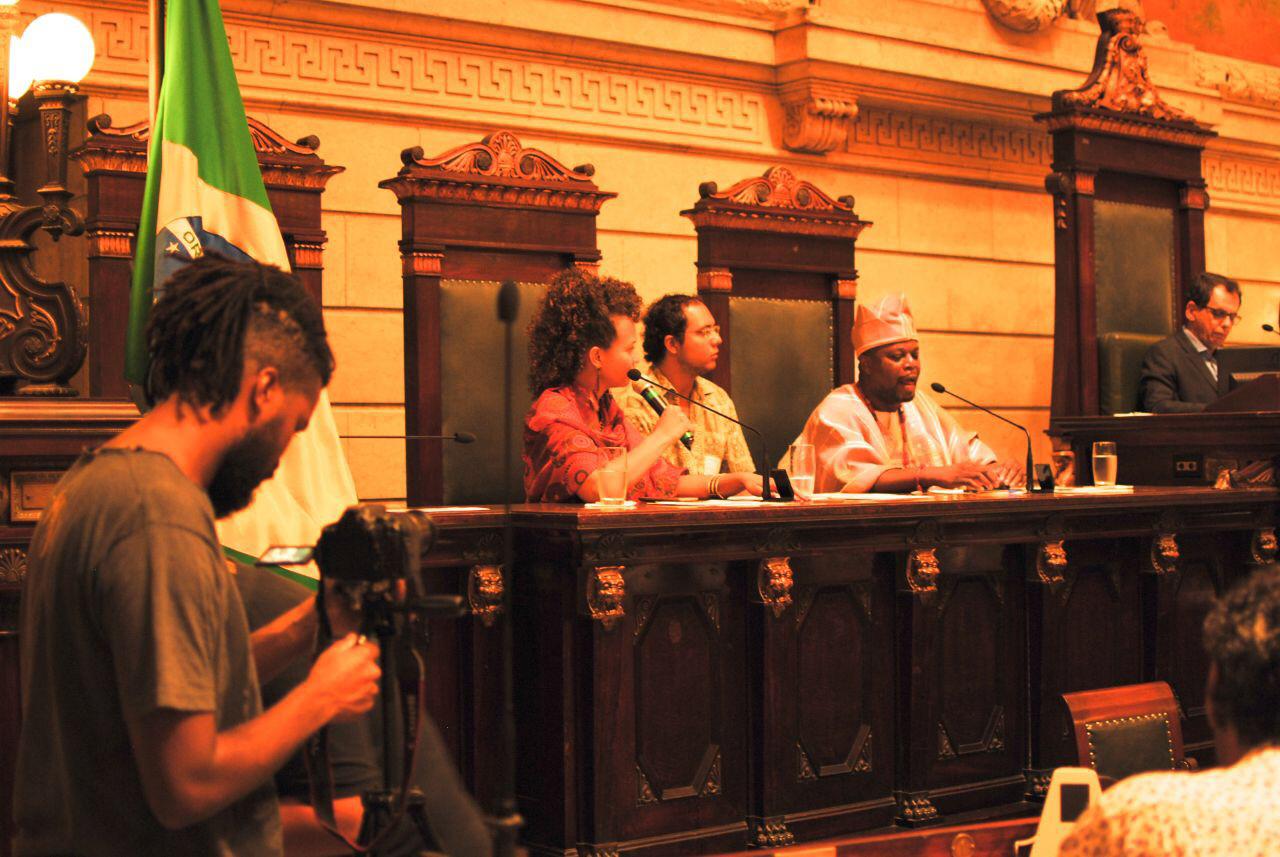
Addressing the Parliament in Rio de Janeiro

Addressing the Parliament in Rio de Janeiro

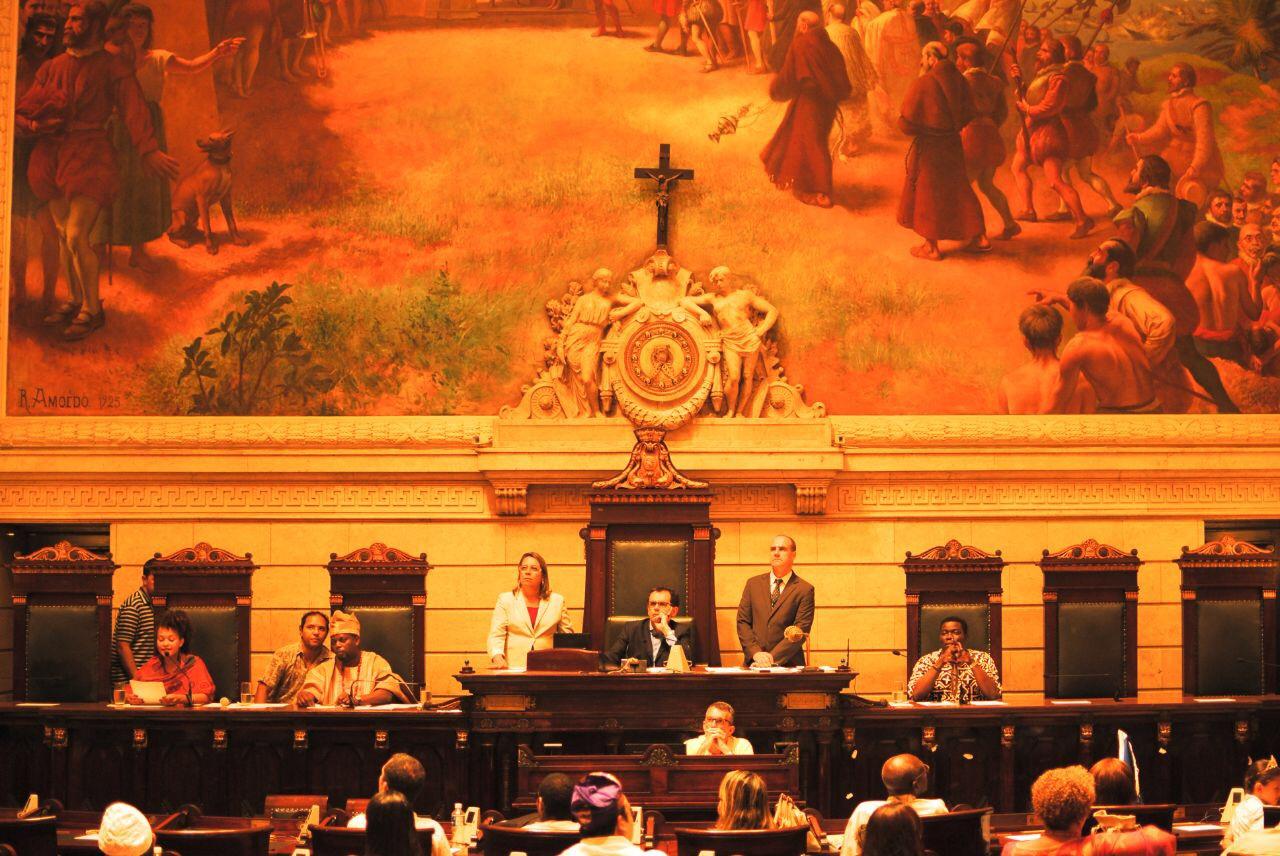
Addressing the Parliament in Rio de Janeiro 2

Addressing the Parliament in Rio de Janeiro

Addressing the Parliament in Rio de Janeiro 3

Addressing the Parliament in Rio de Janeiro

Representing the Ooni of Ife in Rio de Janeiro, in spaces where Yoruba heritage was not merely remembered, but publicly honored.

In Parliament, a Different Reception

The visit to parliament was more than ceremonial. It revealed how culture can be received when it is granted public dignity.

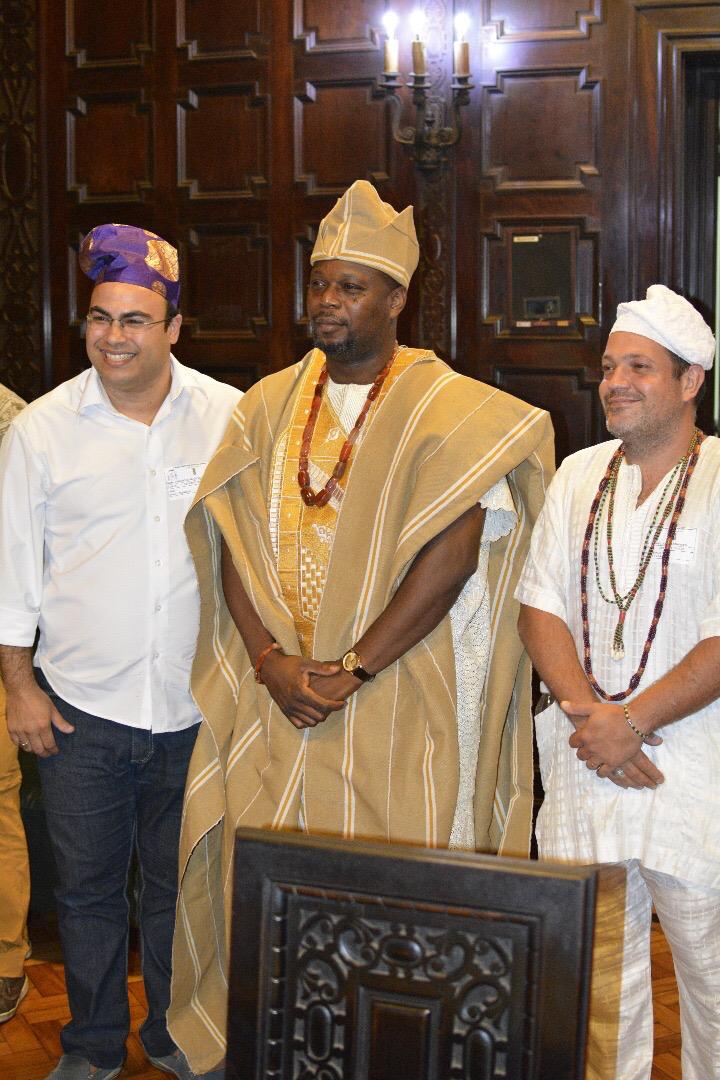
To stand in Yoruba attire in that chamber, within an institution shaped by another nation's political history, and still feel deeply recognized, was a powerful reminder that African identity can command both presence and respect when it is carried unapologetically.

Those moments matter because they challenge the inherited assumption that our spiritual and cultural systems belong only in the private sphere. In Brazil, I saw that public recognition and ancestral continuity could exist in the same frame.

Public space. Sacred memory. Cultural dignity.

At the Parliament in Rio de Janeiro

At the Parliament in Rio de Janeiro

Valongo Wharf and the Weight of Recognition

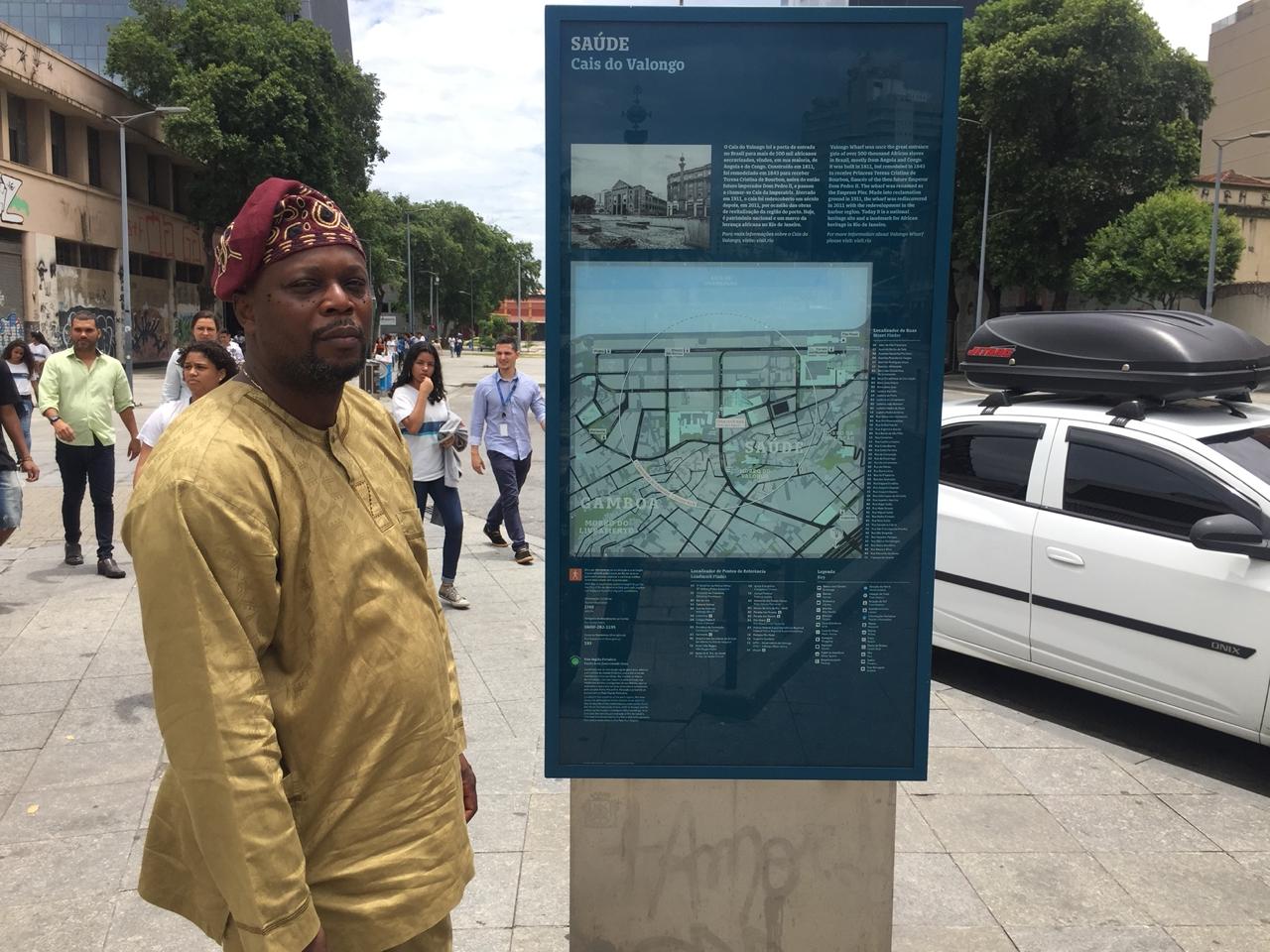
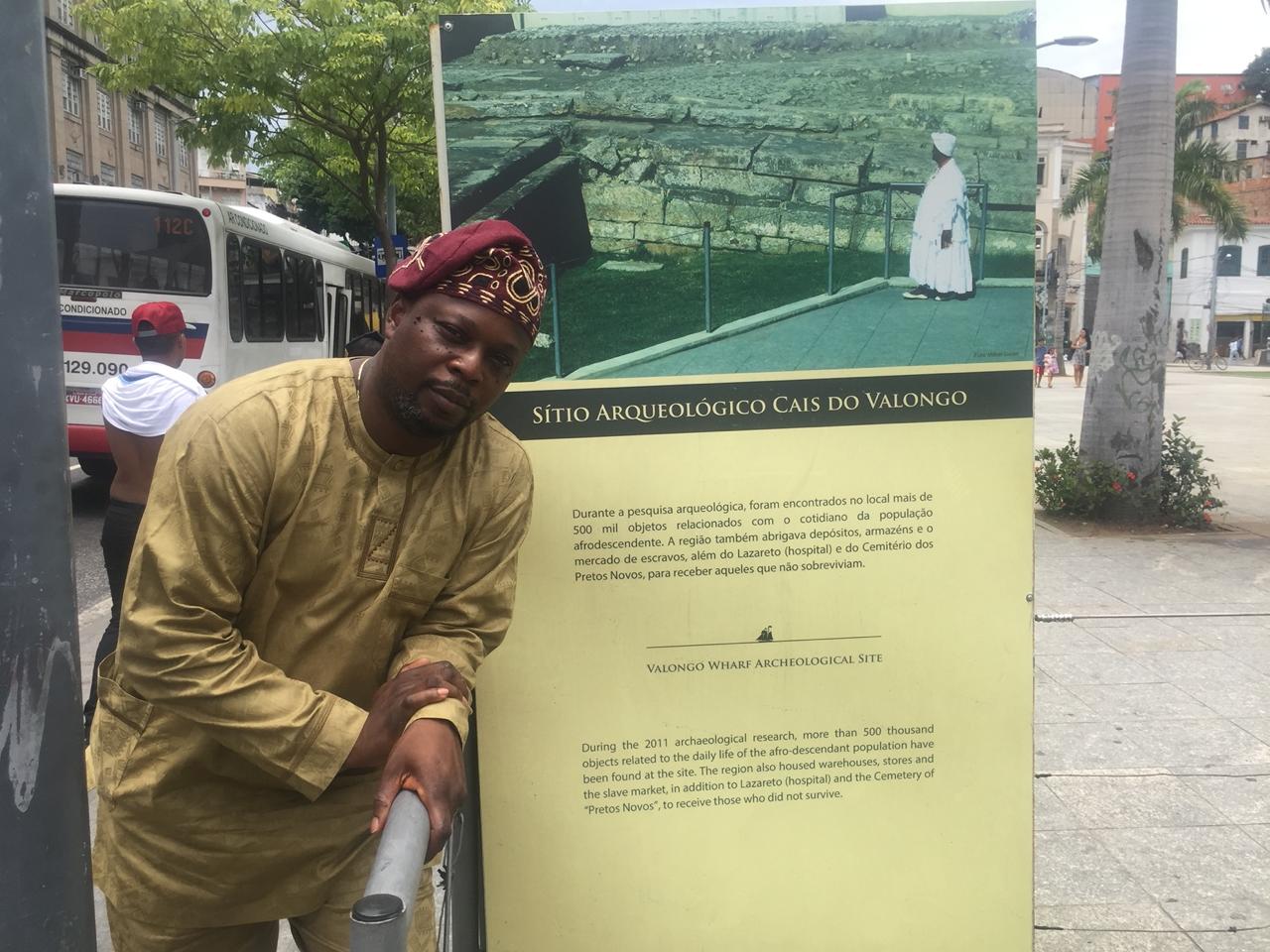
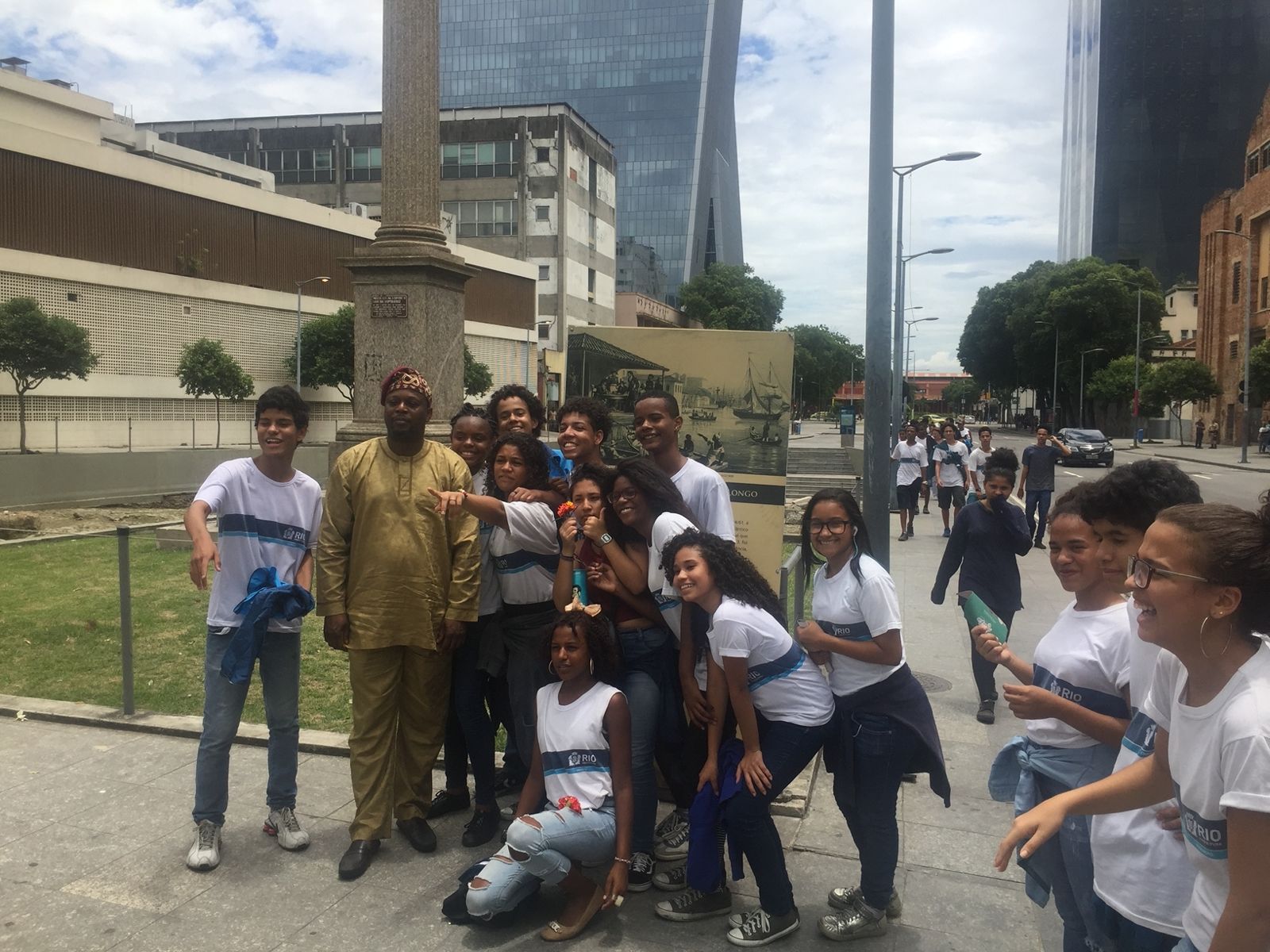
One of the most powerful moments of that journey happened at Valongo Wharf—a place dense with memory and sorrow, where enslaved Africans once arrived in the nineteenth century.

I was dressed in full Yoruba attire when school children, just leaving for the day, noticed me. They stopped. They smiled. They gathered around me asking for photographs, visibly excited by what I represented.

What moved me was not merely their enthusiasm, but its meaning.

In that moment, I did not feel questioned. I did not feel tolerated. I felt honored.

Thousands of miles from home, I felt like a custodian of something sacred.

That experience forced a profound realization: there are people across the diaspora who value, protect, and revere a culture that many of us, through conditioning, have been taught to diminish.

Everywhere I went in Brazil, I was received with warmth, gifts, invitations, and respect.

That was not accidental. That was memory refusing to die.

Thousands of miles from home, I felt like a custodian of something sacred.
Valongo Wharf
School children taking selfies at Valongo Wharf
Valongo Wharf memory moment

At Valongo Wharf, history felt immediate rather than distant. Recognition came not as spectacle, but as a living connection between memory and identity.

Survival Through Transformation

What I witnessed in Brazil was not simply preservation. It was adaptation in its most powerful form.

Enslaved Africans, stripped of land, language, and formal continuity, still found ways to protect their gods. They translated them. They encoded them. They mapped Orishas onto Catholic saints—not as surrender, but as survival strategy.

This was not compromise. It was resilience.

That is why in traditions such as Candomblé and Santería, one finds striking continuities: sacred correspondences that allowed spiritual truth to survive under hostile conditions.

This same resilience is part of what makes Children of Blood and Bone possible today. The story does not emerge from a dead archive. It emerges from a living inheritance.

Ilé Àṣẹ sacred space
Ilé Àṣẹ spiritual memory
Yoruba spiritual practice

Within Ilé Àṣẹ spaces, Yoruba spiritual memory appears not as relic, but as daily life—embodied, practiced, and passed on.

Food, Fellowship, and the Everyday Life of Memory

Cultural survival does not live only in ritual spaces. It also lives at the table, in hospitality, in naming, in shared meals, and in the warmth of being welcomed.

In Brazil, I encountered Yoruba memory not only in sacred houses and public ceremonies, but also in the textures of everyday life—in cuisine, conversation, music, and fellowship. These moments matter because they remind us that continuity is not sustained by symbolism alone. It is sustained by people.

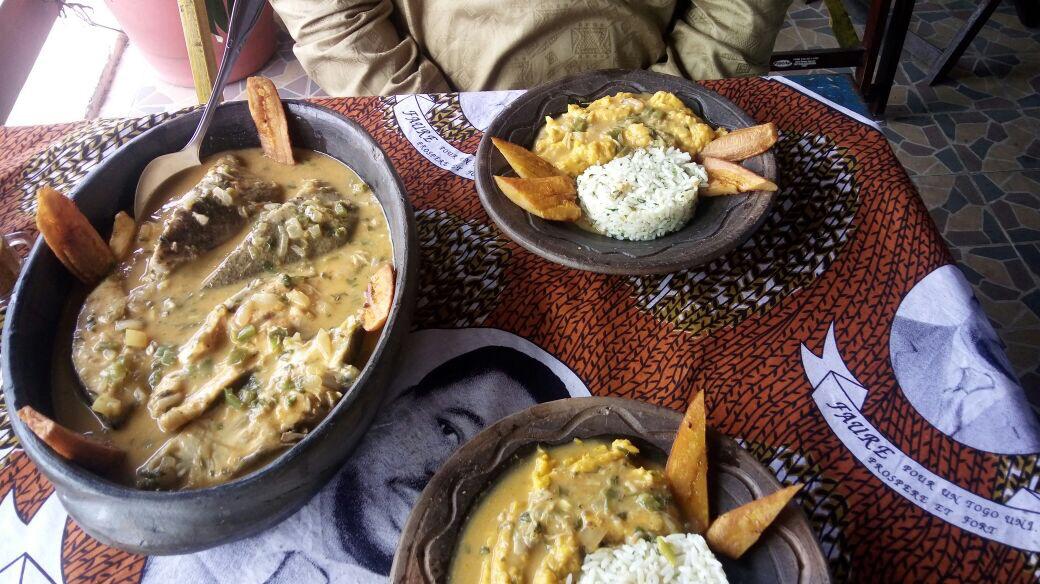
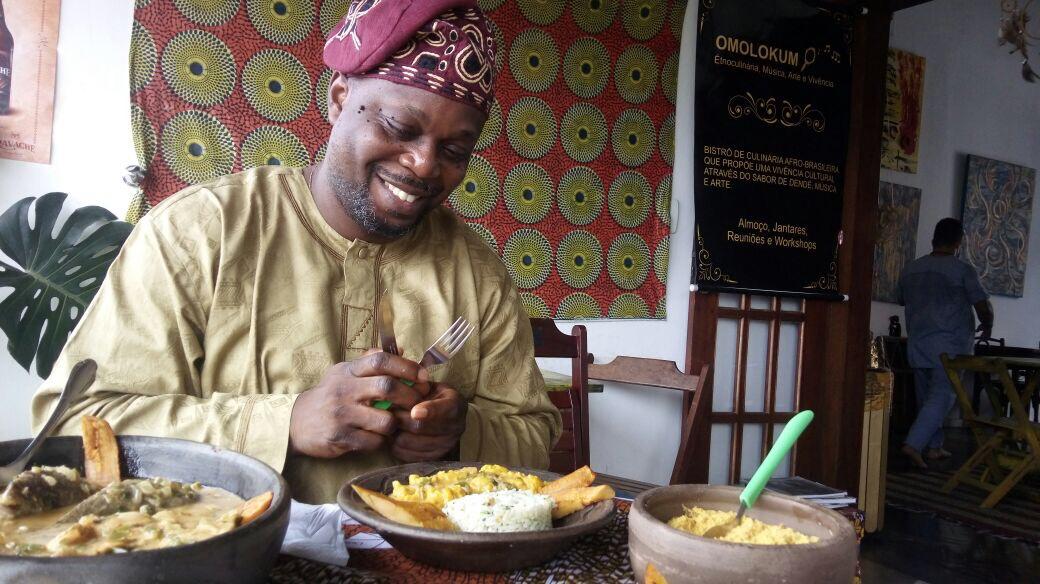
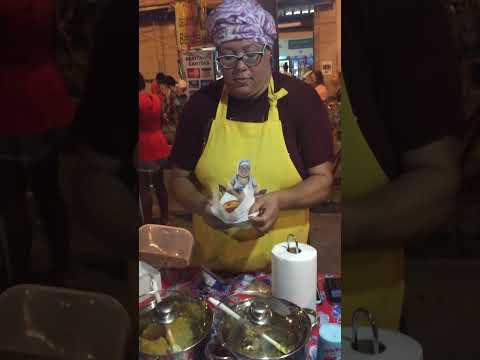
Omolokum Restaurant in Rio de Janeiro
Dining at Omolokum Restaurant Rio

Memory survives in ordinary rituals too: hospitality, food, and the pleasure of cultural familiarity in an unfamiliar land.

Africa on the Global Screen

For generations, African cosmologies were pushed to the edge of global storytelling. They were treated as anthropological curiosities rather than narrative foundations. Their philosophical richness was ignored. Their universality denied.

That is why this moment matters.

A story inspired by Yoruba cosmology is now being amplified on a global scale. Whatever debates may surround it, the symbolic significance is undeniable.

It means African spiritual systems are entering mainstream imagination in new ways. It means stories rooted in our cosmologies are no longer confined to the margins. It means our symbols, philosophies, and mythic structures are being positioned as worthy of epic scale.

Africa's creative rise is real. But rises like this are never sudden. They are layered. Built through persistence, visibility, and cumulative cultural confidence.

Our cosmologies are no longer confined to the margins.

Executive Context

Children of Blood and Bone represents a landmark moment in global storytelling inspired by African cosmology. Its adaptation to film has been met with excitement and, simultaneously, critique—including conversations around casting, colourism, and calls from Nigeria for greater inclusion of Nigerian actors in leading roles.

These debates reflect broader global questions about representation, power, and cultural stewardship. While perspectives differ, the discourse itself underscores the importance of the moment: African-inspired narratives are now visible enough to be claimed, challenged, and shaped.

The Criticism — And the Lens We Use

Yes, there has been criticism—particularly around casting and colorism. These conversations are valid, because they emerge from real histories and real imbalances.

But criticism must also be balanced with perspective.

When we step back and consider the wider ambition of the project, it becomes clear that this is not erasure. It is not absence. It is an imperfect but meaningful step forward.

Too often, we place a magnifying glass over our own progress, scrutinizing every flaw so intensely that we lose sight of what is actually being built. That does not mean accountability should disappear. It means perspective must remain intact.

And what is being built here is not small.

Toward an Orisha Universe

What if this is only the beginning?

What if Children of Blood and Bone is not simply a singular breakthrough, but a doorway into a larger ecosystem of storytelling rooted in Yoruba cosmology?

The potential is enormous.

One can imagine expansive narrative worlds centered on Sango, Ogun, Osun, Yemoja, Oya, Esu, and other divine forces—stories unfolding across time, geography, memory, and speculative futures. Stories that merge mythology, history, futurism, and emotional truth.

The global audience has already shown a hunger for interconnected mythic universes. We have seen what that model can achieve elsewhere.

Why should there not be an Orisha-inspired universe?

Why should African spiritual imagination not stand at the center of epic world-building?

The future is there. But that future depends on moments like this being allowed to breathe, grow, and evolve.

Adeyinka Oduniyi in Yoruba attire

Adeyinka Oduniyi representing Yoruba heritage

A Personal Standpoint

I celebrate Tomi Adeyemi.

I acknowledge Paramount Pictures.

I respect the cast stepping into something larger than themselves.

I do so because I have seen, with my own eyes, what this culture means beyond our borders.

I have walked through spaces where it survived against all odds.
I have stood among people who honor it without hesitation.
I have felt what it means to be seen through it.

So my position is simple:

We can critique.
We can demand excellence.
But we must also learn to celebrate ourselves—our stories, our symbols, and our progress.

Because if we do not, others will continue to define their value for us.

And this time, finally, we have the opportunity to define that value for ourselves.

We can critique. We can demand excellence. But we must also learn to celebrate ourselves.

This is not accidental. Memory is refusing to die.

— Adeyinka Oduniyi

More From ITPAN Magazine

Coming soon — New articles exploring African cinema, television production, and cultural storytelling

Next Article

Coming Soon

Next Article

Coming Soon

Next Article

Coming Soon